
If you live in Puerto Rico, scalp issues can feel personal. The flakes show up right after wash day, the itch worsens, and you start wondering if you’re doing something wrong.
Choosing the right shampoo for dandruff is not just about flakes. It is about understanding what your scalp is actually asking for in heat, moisture, and salt heavy air.
Most people misperceive dandruff and dry scalp as the same problem but in reality, they act in entirely different ways.
Why Dandruff and Dry Scalp Look Similar
At first glance, both conditions appear the same. The flakes, the itchiness, and before you realize, you start checking your clothes before leaving the house.
That overlap causes confusion. Many people assume that whatever flakes mean dandruff, so they reach for the strongest formula they can find. In Puerto Rico’s climate, that approach often backfires.
And here's why: the scalp responds to the environment first. Heat speeds up oil production. Humidity traps moisture. Salt exposure breaks the barrier of the skin. In the end, the result depends on whether your scalp is oily or dry to begin with.
What Is Dandruff?
Dandruff is not dry hair. It is an oil-related scalp condition. It happens when excess oil mixes with yeast that naturally lives on the scalp. That combination triggers irritation and rapid skin turnover. The flakes tend to be larger, oily, and slightly yellow.
Dandruff often comes with redness and persistent itch. The scalp gets inflamed by overgrowth of a yeast fungus called Malassezia. This causes the shredded dead cells to clog and fall off as flakes.
Factors that can make Malassezia multiply include:
- Age
- Hormones
- Stress
- Underlying medical conditions
Dirty hair is not the cause of dandruff, but the greasy build up from lack of washing can contribute to flakes.
What Dry Scalp Really Means
Just like the skin on your body, the scalp is also prone to dryness and in some cases, can progress to flaky skin, also known as “dandruff'.” Dry scalp essentially implies a lack of moisture, not oil.
When the scalp lacks hydration, the skin becomes tight and uncomfortable. It flakes simply because it is dry. These flakes tend to be smaller and lighter in color. Before you reach out for a dry scalp shampoo, it pays to know what’s causing the dryness in the first place. For others, it isn’t just “winter weather.”
There are a few reasons that could be:
- Cold or dry climates
- Washing too often
- Harsh shampoos and dry shampoos
- Product residue
- Eczema or psoriasis
- Undernutrition and dehydration
Knowing the root cause of dry scalp allows you to choose better solutions. A great place to start is by making the switch to a moisturizing shampoo that’s easy on your scalp but tough on dirt. Dry scalp responds better to hydration than any medication.
A Quick Self Check You Can Do
Before purchasing any product, pause and do a quick self test at home. It only takes less than a minute of your time.
Step 1: Pay Attention to How Your Scalp Feels
- Does your scalp feel tight or slightly prickly after washing? That usually points to dry scalp.
- If you feel an itch and a little grease when your hair is already clean, then you've got dandruff.
Step 2: Take a Close Look at the Flakes
- Dry scalp flakes are tiny, white, and dusty.
- Dandruff flakes may be yellow, oily, and slightly bigger.
Step 3: Take Note of the Timing
- If flakes appear nearly immediately after washing, dry scalp is the usual cause.
- If they show up a day or two later, when the oil accumulates again, that indicates dandruff.
Step 4: Feel Your Roots
- Run your fingers softly along your scalp. When it feels dry, consider a dry scalp.
- If it feels greasy, consider dandruff.
If most of your responses land on one side, you probably have your diagnosis by now. And if not, a stylist or dermatologist can help you sort it out. These small details guide better choices than labels alone.
Why Using the Wrong Shampoo Makes Things Worse
Using the wrong formula can quietly prolong the life of flakes. Many people with dry scalp use medicated shampoo for dandruff. These strip away the oil the scalp already lacks. The skin tightens. Flaking increases.
If your scalp is dry, avoid shampoos with:
1. Anionic Detergents
Sulfates (SLS/SLES) are harsh detergents that deplete the scalp of its natural oils.
2. Alcohol
Drying is among the calculated side effects of alcohol; it therefore helps produce more flakes.
3. Fragrance and Color
These fragments may irritate your scalp, especially if it’s very sensitive to start with. A shampoo for dandruff should regulate oil, calm irritation, and avoid aggressively drying the scalp.
Ingredients That Matter
The best shampoo for dandruff and dry scalp is one that does more than just wash away grease. It should also calm, nourish, and improve the overall health of your scalp. Here are the big guns:
Juvexin
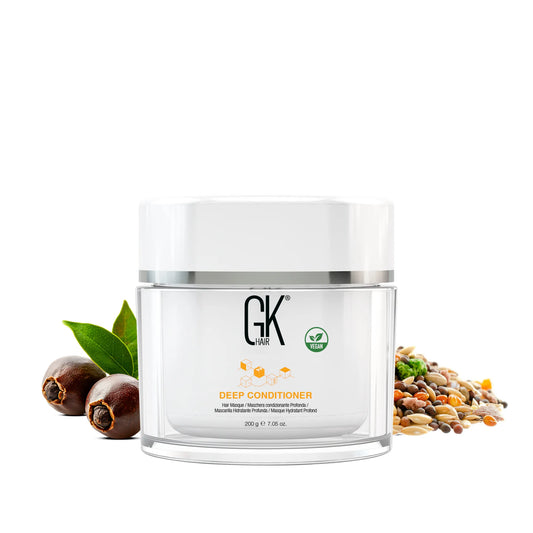
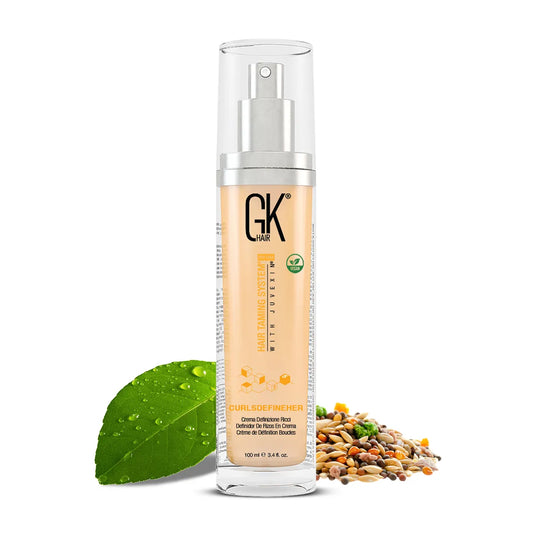
Juvexin is a keratin anti-aging protein combination exclusive to GK Hair products and delivers the finest results. It is the ideal component for anyone experiencing dryness, breakage, or flakiness because it also helps preserve the natural moisture barrier of your scalp.
Coconut Oil
High in fatty acids, this natural oil possess antifungal properties that can provide relief from constant itching and eczematic scalps. Your scalp will feel much smoother, as coconut oil hydrates the dry scalp and reduces flaking.
Aloe Vera
This natural remedy for scalp itching, burning and moisturizes dry scalps while soothing redness. It is rich in vitamins, antioxidants and also helps the skin to heal.
Tea Tree Oil
Tea tree oil is a top pick for its antimicrobial and antifungal properties. It’s even better if your hair is dry and comes accompanied by dandruff or buildup. A little goes a long way and can help to clarify the scalp without leaving it dry.
Argan Oil
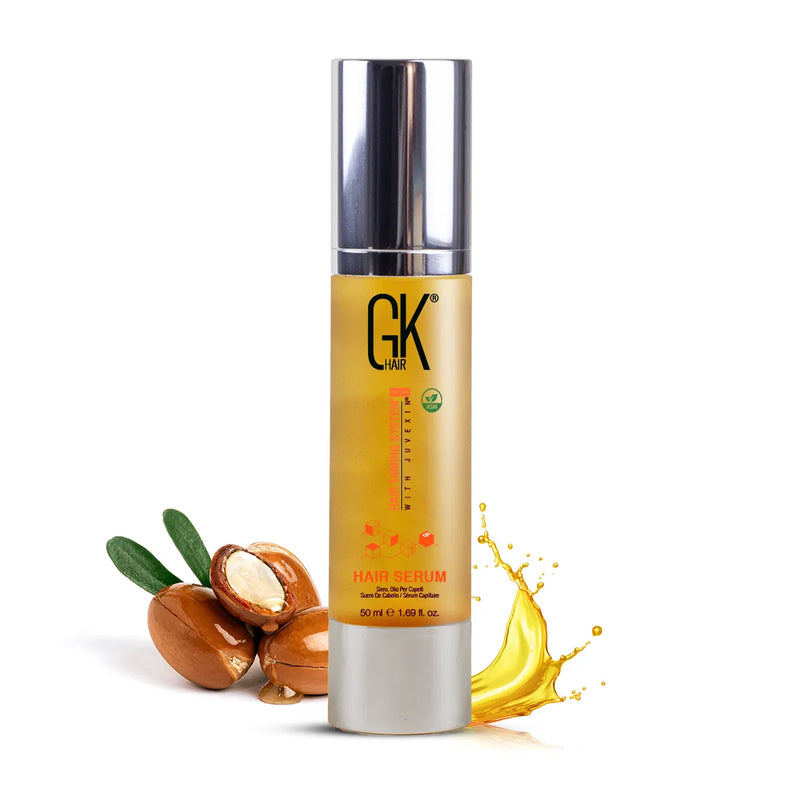
Known to many as “liquid gold,” argan oil is rich in vitamin E and fatty acids that help moisturize the scalp, ease inflammation, and retain moisture. It also gives hair a good shine. Use GK Hair’s Argan Oil Serum to moisturize your strands.

How Climate Changes Everything in Puerto Rico
Humidity changes how products behave. Heavy formulas can feel suffocating on the scalp. Over-cleansing increases sensitivity and salt exposure dries the scalp barrier even faster.
Being in Puerto Rico means your scalp and hair are always subjected to the environment, whether you notice it or not. Heat, moisture, and salt air shape how your hair behaves and how your scalp produces oil. Getting familiar with those patterns makes product choices feel less like guesswork.
This piece on Hair Types in Puerto Rico: What You Need to Know for Better Styling explains how local hair types interact with the climate and why that matters for daily care.
If You Have Colored Hair, Read This!!
Color treated hair complicates scalp care.
Some anti dandruff formulas fade color quickly, others dry the hair shaft while treating the scalp.
Balance matters. If you have colored hair, look for the best dandruff shampoo for colored hair that gently treats the scalp while retaining the vibrancy of your hue.
Why Sulfate Choice Matters
Sulfates cleanse effectively, but not every scalp can withstand them. For sensitive scalps, a sulfate free anti dandruff shampoo can reduce irritation while still managing flakes.
This is especially useful if you wash frequently due to sweat or swimming. Gentler cleansing supports long term scalp health. Listen to your scalp, not trends.
The Role of Conditioner in Scalp Health
A conditioner does not cause dandruff when used correctly. Apply it to mid lengths and ends. Avoid the scalp unless the product is designed for scalp care. Hydrated hair reduces breakage and stress that can affect the scalp indirectly.
Common Mistakes That Delay Results
- Inconsistency: Dandruff is not something that can be fixed immediately, it requires proper treatment over a period of time.
- Overuse of Anti Dandruff Shampoo: Although dandruff shampoos are highly effective, the abuse thereof stands as the major hindrance. It is therefore expected that you strictly follow the user guide as suggested.
- Poor Rinsing Out: Make sure to rinse your hair thoroughly without leaving any residue. This may result in more irritation and increased product concentration on your scalp.
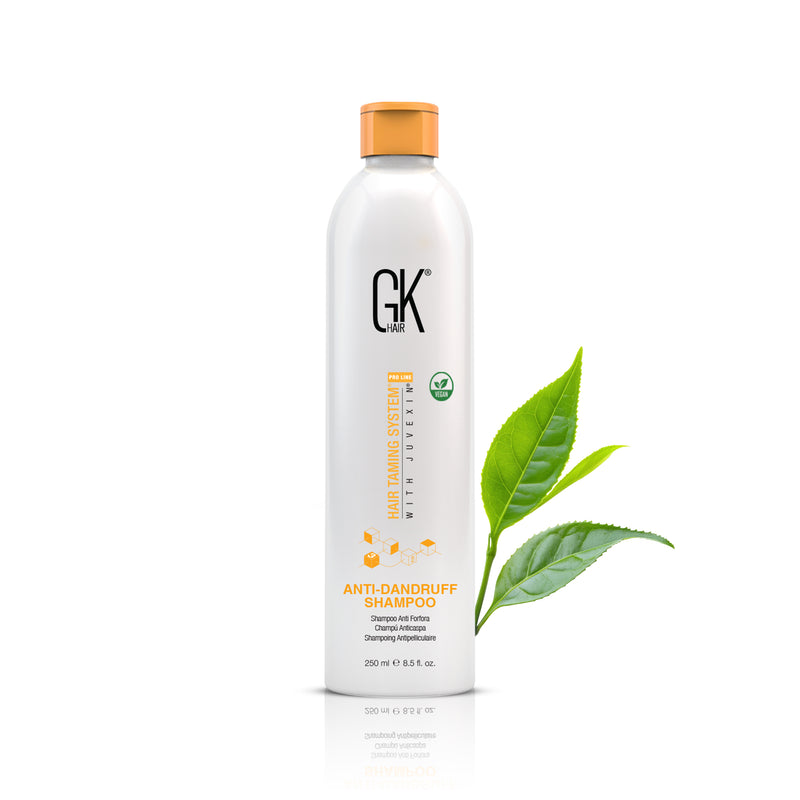
- Simultaneous Use of Multiple Products: When treating dandruff, the principle is never to use several products all at once. These products will likely counteract with one another and cause more irritation on your scalp. We recommend you use the same product and monitor improvements. Your desired result is just a GK Hair Anti-Dandruff Shampoo wash away.

- Hot Water: Hot water is capable of causing more sebum to be produced, which makes your hair grease up quicker and therefore the impact of even the best anti dandruff shampoo is of no effect.
- Neglecting Diet and Hydration: Diets are a part and parcel of the anti dandruffs treatment process. To effectively get rid of dandruff or prevent them, you need zinc, vitamin B and a quantifiable amount of fatty acids. A diet that offers these will relieve inflammation and prevent dandruff.
Wrap Up
Your scalp gives signals every day. Understanding whether you are dealing with dandruff or simply a dry scalp helps you respond with the right kind of care.
When you listen and adjust your routine accordingly, everything starts to feel easier. Find that balance with GK Hair products and build a routine that supports both scalp health and hair confidence.