
If you have curly or wavy hair and you are yet to discover the magic of how to plop hair, then this might just change your entire wash day. Plopping is a heat-free drying method that works by wrapping freshly washed hair in a soft cloth, letting your curls set without the weight of water pulling curls flat. This guide walks you through the full plopping method, with tips tailored for curly hair and wavy hair types.
What Is Plopping?
A hair plop is a heat-free drying technique that involves gently folding freshly-washed hair onto a soft cloth (think microfiber towel or cotton T-shirt) and wrapping it at the crown of the head to allow curls to air dry. The technique works by reducing friction on the hair cuticle and preventing the weight of water from stretching curls out before they have a chance to set.
The result is better curl clumping, less frizz, and noticeably more definition without the use of any heat. Instead of curls drying against gravity, plopping is a way of encouraging curls to dry in their natural shape.
Why Should You Try Plopping?
There are a few reasons why plopping keeps popping up in every curly hair conversation:
- Better curl definition: By letting curls dry in a gathered, upward position, plopping encourages each curl to maintain its natural spiral rather than stretching out.
- Reduces frizz: Terry cloth towels create a rough surface that roughs up the cuticle and impedes curl formation. Microfiber and cotton are far smoother, which means less frizz and more shine as curls dry.
- Speeds up drying: Plopping absorbs excess water efficiently without requiring heat, which makes air-drying faster and less damaging overall.
- No heat damage: Your hair remains untouched by hot tools throughout the entire drying process. GK Hair stylists recommend plopping as the first step in air-drying or diffusing for anyone with type 2 or 3 curly hair patterns.
Plopping is particularly helpful in humid climates like Puerto Rico because it cuts down on the time wet curls are exposed to the air, which in turn reduces the frizz that humidity so loves to cause. GK Hair’s curly hair range is available in over 75+ countries, and one of the most consistent pieces of feedback from stylists is that pairing a leave-in or curl cream with the plopping method produces noticeably softer, more defined results than product use alone.
Plopping vs. Diffusing: What’s the Difference?
Both methods can work. They just have different goals. A quick comparison:
The two are really complementary, honestly. Using them in succession is often the best bet: plop to set curl, then diffuse on low heat to finish. That way you get both the curl definition benefits of plopping with the volume that diffusing gives at the roots.
How Long Should You Plop Curly Hair?
For most people, 20 to 30 minutes works fine, but it really depends on hair type. People with fine or wavy hair often need less time (10-15 minutes), whereas thick, coarse or tightly coiled hair will often benefit from the full 30 minutes or a little more.
The one thing to be aware of is that too much plopping can actually cause curls to become frizzy due to the contact with fabric, and it can even flatten roots or cause hair to dry. In other words, not all curl types respond to longer plopping times. Start with 20 minutes and tweak from there.
Can You Plop Your Hair Overnight?
Technically, yes. Though we do not recommend it as a regular practice. Wrapping wet hair for a long period is not good for the scalp and can cause moisture imbalance. If you do plop overnight, make sure hair is at least partially dry before bed, not soaking wet.
Thick, high-porosity hair is more likely to benefit from overnight plopping. For most fine or thin curl types, it is probably best to stick with a maximum of 10-15 minutes. Micro-plopping, or the act of plopping hair for 10-15 minutes to absorb excess water before allowing it to air-dry, is also a perfectly valid option and can save a lot of time.
Does Plopping Hair Work on Straight or Wavy Hair?
The short answer is yes. Plopping does not magically turn straight hair curly. It can however, reduce frizz during the drying process and give naturally straight hair a little more texture and gentle wave, particularly when using a lightweight mousse or styling cream.
For wavy hair (type 2A to 2C), plopping genuinely enhances the wave pattern and also prevents roots from flattening before hair has a chance to dry. The technique was initially designed for curly/coily hair but has been widely adopted by wavy hair types for good reason.
Tips for Perfect Plopping
Curly hair plopping results can vary wildly, and this is mostly due to minor technique changes. A few things that make a real difference:
Do Not Over-Apply Styling Products
Too much product before plopping can make curls droopy and flat. Apply products sparingly at first. It is always easier to add more if needed.
Be Gentle
The point of plopping is to minimize friction. Do not pull on the cloth or rough up your curls when removing the towel. This defeats the purpose.
Adjust to Hair Type
Thicker hair takes longer, finer hair less time. Play with the timing until you find what works.
Use the Right Cloth
A 100% cotton T-shirt or microfiber towel is best. Normal bath towels are too harsh on the cuticle and will cause the frizz you are trying to avoid. This is the key reason the plopping method curly hair works.
Apply Leave-in Before Curl Cream
Layering leave-in conditioner before curl cream gives curls more moisture to hold on to and makes post-plop detangling easier.
Stylist’s Corner
If curls come out flat at the roots after plopping, flip head upside down and gently shake from root level to lift root area before allowing hair to fall back into position. This simple trick can help increase volume in the root area.
For long or thick hair, a long sleeved T-shirt works better than a standard microfiber towel. The sleeves give you more fabric to tie the wrap without the risk of it coming undone mid-plop.
Recommended Products for Curly Hair
These three curly hair essentials from our collection pair well with the plopping method and cover the full prep-to-style routine:
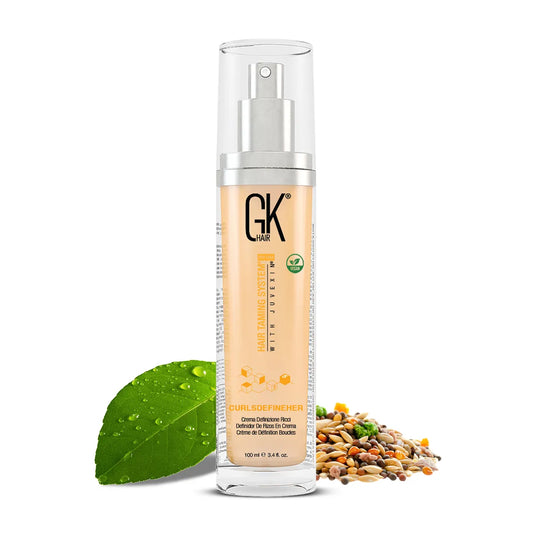
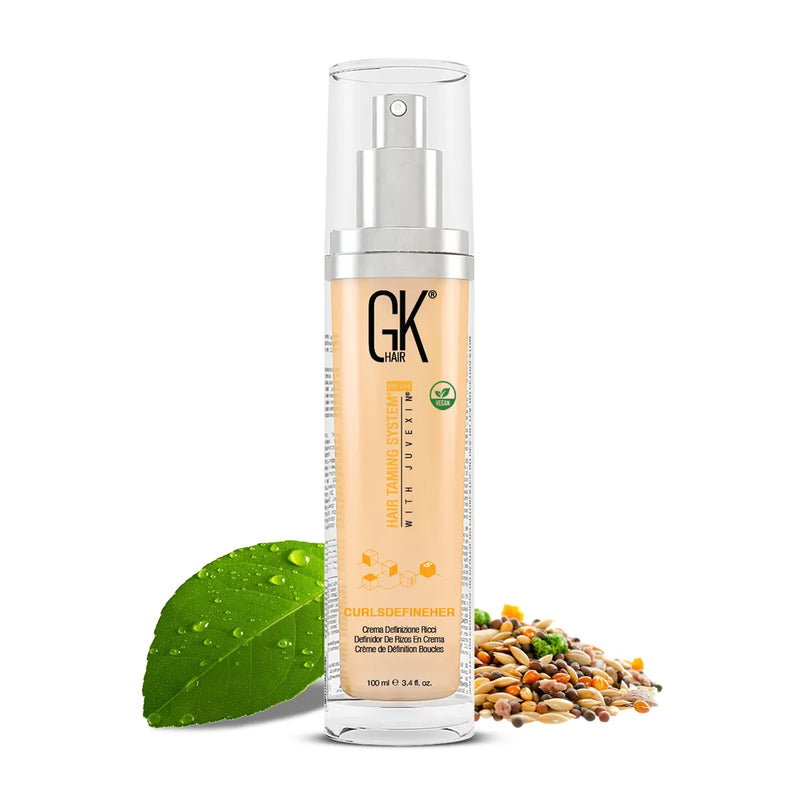
1. Curl Defining Cream: Defines curl shape, controls frizz, and adds flexible hold without crunch.
Best for: Type 2 and Type 3 curls that need shape without weight.
2. Leave-In Conditioner: Adds moisture, softens hair before plopping, and makes post-plop detangling so much easier.
Best for: Dry, frizz-prone, or color-treated curls.
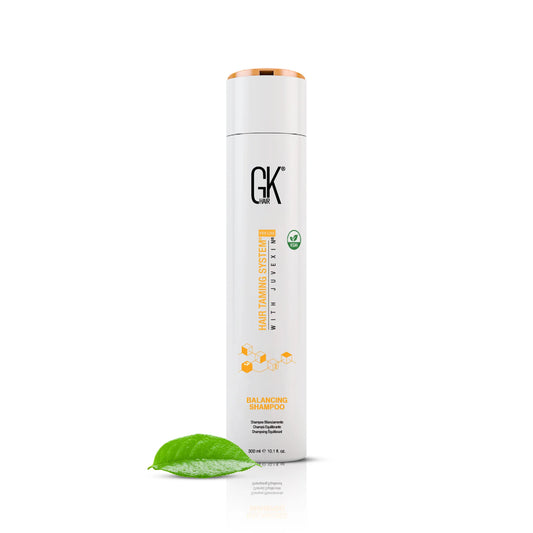
3. Moisturizing Shampoo and Conditioner: The foundation of any good wash day routine. Sulfate-free, hydrating, and designed to keep curls intact from the first step.
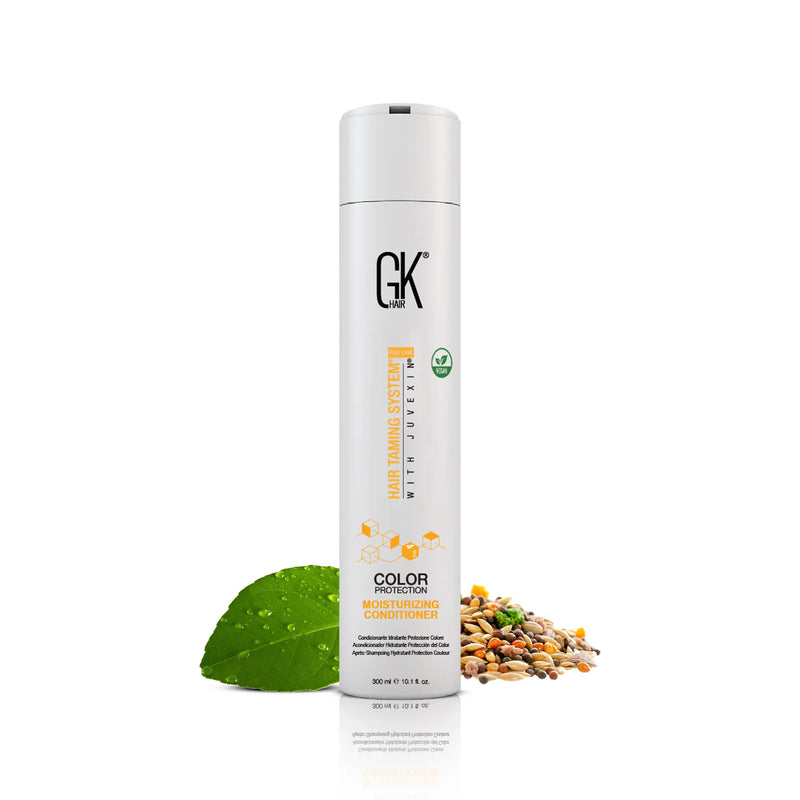
Best for: All curl types, especially those prone to dryness or frizz.
Some hair products do more than they look like they should. That’s probably the simplest way to explain Why Dry Oil Shine Spray Is a Must-Have in Your Hair Care Routine. It’s light, it works fast, and it doesn’t ask much of you.

Final Thoughts
Plopping is one of those techniques that seems a little odd until you try it and then you wonder how you lived without it. It's gentle, it's effective, and it fits into pretty much any curly hair routine without much added time or effort. Whether you are brand new to embracing your natural curls or just looking to level up your wash day routine, learning how to plop hair is a genuinely useful skill to have up your sleeve. For more hair care tips and product recommendations, check out the GK Hair blog and explore our full range of premium hair care products.