
Ever brush out a couple strands from your hairbrush and silently question if your hair is trying to bail on you? That's usually what causes hair breakage: a collection of common everyday stresses (heat, tension, dryness) slowly building up faster than your hair can bounce back. The harsh truth about hair breakage is that none of it happens overnight, which is also the problem: you don’t notice until you find yourself with a brush full of hair. The good news is that once you know what’s happening, preventing and treating it isn’t too difficult at all.
What Is Hair Breakage?
Hair breakage is hair that snaps off somewhere along the shaft instead of easily slipping out at the root. When too much tension is put on a weakened hair strand, it’s more likely to give you breakage than bend. It usually starts at the cuticle layer, the shaft’s outermost protective layer of overlapping scales. Once those scales get lifted or damaged from heat, friction, and general wear and tear, the inner cortex is exposed, and that’s when hair strands turn brittle and start snapping rather than bending.
Hair breakage tends to creep up over time rather than all at once. Rough or thinning ends, more tangling than usual, split ends that just won’t seem to go away even after a trim, and hair that just won’t seem to hold its length even though it’s growing fine at the root, these are all smaller indications that the cuticle is being worn down before strands actually break.
10 Common Causes of Hair Breakage
It’s good to know what actually causes hair breakage before we jump to the fixes. Most of it tends to come down to a small handful of repeat offenders, and you’ve probably got at least two or three from this list without even realizing it. In one round of testing with our partner salons, clients who switched to a gentler, sulfate-free routine noticed noticeably less breakage within about four weeks, which should say a lot about how reversible this usually is.
1. Heat Damage
- Cause: Flat irons, curling wands, and even blow dryers all cause hair to gradually wear down. When you use these tools incorrectly or too much, you risk damaging the cuticle layer.
- Impact: High heat strips moisture from the hair shaft and can crack the outer cuticle layer. Once hair begins to lose moisture regularly, the protective cuticle layer starts lifting, cracking and weakening, leaving the inner layers of your hair exposed and breakage follows from there.
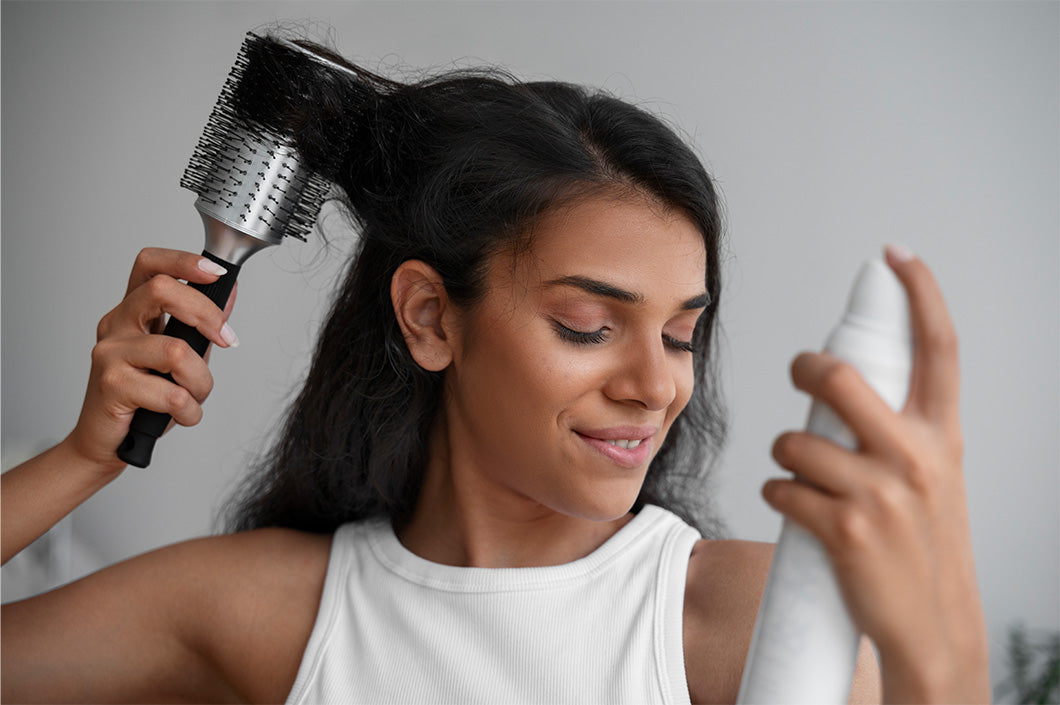
- Prevention: Always apply a heat protectant prior to styling hair, use your tools on a lower heat setting when possible, and give your hair days off from heat styling where you can.
Stylist's Corner
When using a heat protectant, be sure to apply it before you even start sectioning your hair and not right before running the flat iron over it. Letting it sit for about a minute will help the formula to really coat the hair, instead of just sitting on top.
2. Chemical Treatments
- Cause: Chemical processes like coloring, perming, and relaxing work by changing the internal structure of the hair, which means they’re effective, but not exactly gentle.
- Impact: Chemical services weaken hair from the inside out, leaving cuticles more vulnerable than before.
- Prevention: Space these services out as much as possible and try to deep condition in between. Deep conditioning treatments help rebuild what chemical processes strip from your hair.
3. Overbrushing
- Cause: Brushing your hair too often, too roughly, and especially when wet is one of the most underrated causes of hair breakage.
- Impact: Wet hair is much more likely to suffer from breakage than dry hair, meaning that running a brush through wet hair puts unnecessary stress on your strands.
- Prevention: Use a wide tooth comb instead, and always start detangling at the ends of your hair and working your way up. Leave brushing for when your hair is already dry.
4. Lack of Moisture
- Cause: Hair that isn’t getting enough moisture loses its flexibility, and inflexible hair snaps instead of bending.
- Impact: Dry strands lose elasticity, so everyday wear and tear (pulling a ponytail, a windy day, or a tug from a hairbrush) is more likely to end in a snap.
- Prevention: A moisturizing shampoo and conditioner routine, plus a leave-in for extra protection, goes a long way here.
5. Tight Hairstyles
- Cause: Tight ponytails, braids, or buns that pull hair constantly at the root.
- Impact: Traction alopecia, a type of hair loss caused by repeated tension on the follicle, in addition to plain breakage, over time.
- Prevention: Try looser hairstyles when you can, skip the tight elastic at the ends, and give your scalp regular breaks from any style that pulls.
6. Environmental Factors
- Cause: Sun, wind, and chlorine all take a toll, even if you don’t feel it happening in the moment.
- Impact: These elements strip away natural oils, leaving hair drier and more prone to snapping.
- Prevention: Follow every swim with a rinse and conditioning session. Use hair products with UV protection, and wear a hat on a rough weather day.
7. Poor Hair Care Practices
- Cause: Harsh, sulfate-heavy products and washing too often can do more harm than most people expect.
- Impact: Stripping natural oils this way leaves hair dehydrated and weaker over time, even if the scalp itself feels “clean.”
- Prevention: A sulfate-free shampoo and a wash schedule that isn’t daily usually makes a noticeable difference within a few weeks.
8. Nutritional Deficiencies
- Cause: Your hair needs vitamins and nutrients to grow strong too. Low levels of iron, zinc, or biotin in your diet will show up in your hair before you’d expect.
- Impact: Most adults need around 18mg of iron and roughly 30mcg of biotin a day, and falling short on either can leave hair weaker and more breakage-prone.
- Prevention: Like with most things, a healthy balanced diet has you covered, but it’s worth a conversation with a doctor if breakage shows up alongside fatigue or other symptoms, since a supplement might be worth considering.
9. Stress
- Cause: This one surprises people, but extreme or prolonged stress can push hair follicles into a resting phase earlier than they should, a pattern sometimes called telogen effluvium.
- Impact: Hair that’s mid-growth cycle can come loose or snap off more easily, and you might not notice it right away but instead a few months after a particularly stressful stretch.
- Prevention: There’s no product fix for this one. Sleep, movement, and just generally taking the pressure off yourself tends to help, and hair usually bounces back once the stressful period has passed.
10. Underlying Health Conditions
- Cause: Conditions like hypothyroidism, or an under active thyroid, can quietly affect hair growth alongside everything else they touch in the body.
- Impact: Hair connected to a thyroid issue often feels unusually dry, brittle, or thin, and it’s sometimes paired with fatigue, slow-healing skin, or unexplained weight changes.
- Prevention: There’s no product fix for this one, but if breakage shows up alongside those other symptoms, it’s worth getting checked out rather than chasing it with more products.
Is It Breakage or Just Shedding?
It’s super easy to mistake one for the other, but the two aren’t the same, and knowing which one you’re actually dealing with changes what actually helps.
Other signs worth watching for: rough or thinning ends, split ends that seem to come back fast even after a trim, more tangling than usual, and hair that just won’t seem to hold its length even though it’s clearly growing fine at the root.
If what you’re seeing matches the breakage column more than the shedding one, the causes and tips above are exactly where to start.
Tips for Preventing and Treating Hair Breakage
Think of this less as a single go-to product and more as a hair breakage treatment plan for everyday life, a few small changes instead of one major overhaul.
Get Regular Trims
Every 6-8 weeks is a good place to start for keeping split ends from working their way up the hair shaft, which is usually where it goes from “manageable” to “noticeable.”
Deep Conditioning Treatments
Hair needs moisture and replenishment from the inside out, especially if you color or use heat often.
Using a deep conditioning treatment once or twice a week can help restore moisture to your strands.
Be Gentle
Handle hair like you actually want to keep it around. Wide tooth comb, minimal heat, and just being more patient with detangling beats rushing every time. Even how you dry it matters: rubbing wet hair with a towel is rougher on it than you’d think, so gently squeeze or blot it dry or wrap it loosely and just let it do its thing.
Try Protective Hairstyles
Protective styles that don’t tug at your roots help with ongoing stress on both hair and scalp, particularly if you’re prone to tight ponytails or buns. A silk or satin pillowcase (or a loose bonnet at night) cuts down on the friction that builds up while you sleep, which adds up more than most people expect over a few months.
Drink Water and Eat Right
Great hair doesn’t come from a diet of popcorn and soda. But eating well and swapping that afternoon coffee for water actually does show up in your hair over time. Give your body what it needs to repair and grow healthy hair and you’ll hardly have to worry about breakage in the first place.
Recommended Products: The Best Product for Hair Breakage
Got a hair breakage problem? You know, the kind where you’re finding more hair on your pillow than on your head some mornings. If you’ve been searching what to use for hair breakage, here’s a few products that can actually help:
-
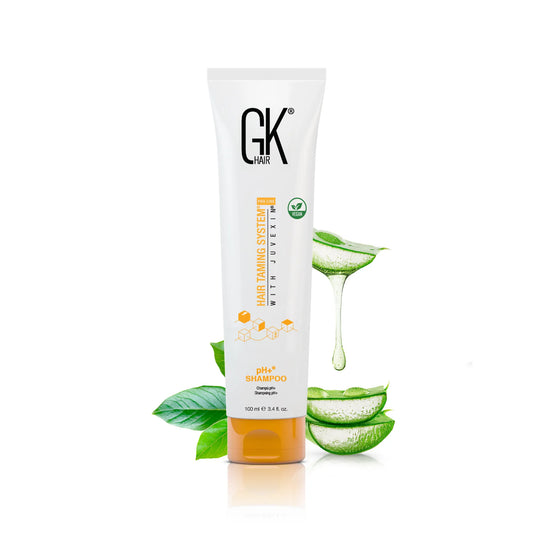
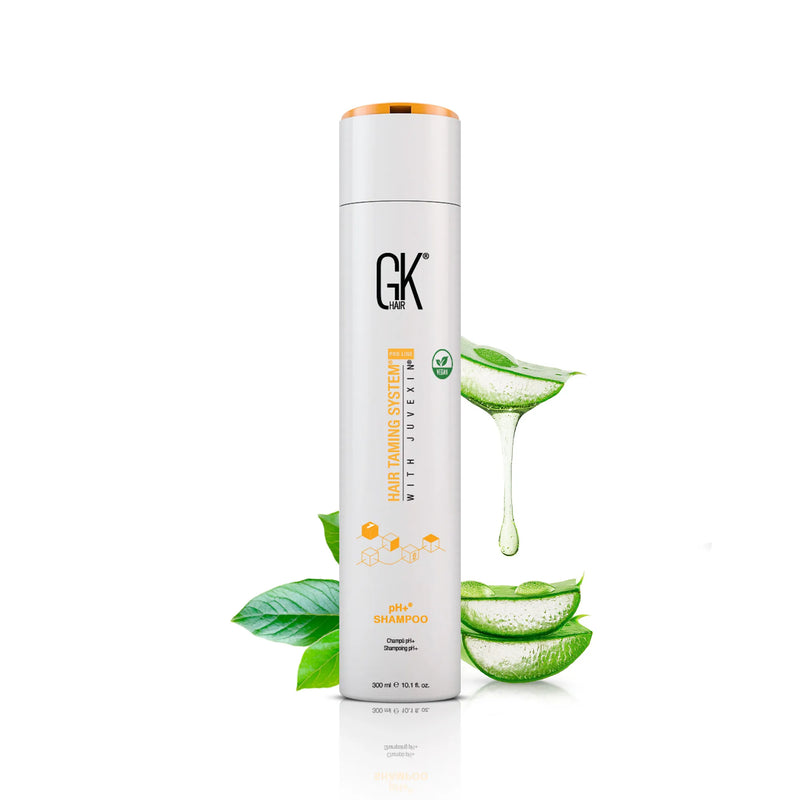
Clarifying Shampoo: A gentle cleansing formula that makes your hair free of any buildup or dirt so that the taming, deep conditioning or straightening treatment can be done easily.
Best for: Removing buildup, product residue and restoring shine and softness. -
Moisturizing Shampoo and Conditioner: It’s formulated with Juvexin v2 (our signature keratin protein blend made from quinoa and pea) to hydrate and reinforce strength and elasticity from root to end.
Best for: Dry, brittle hair that needs a daily moisture boost, not just an occasional treatment.

-
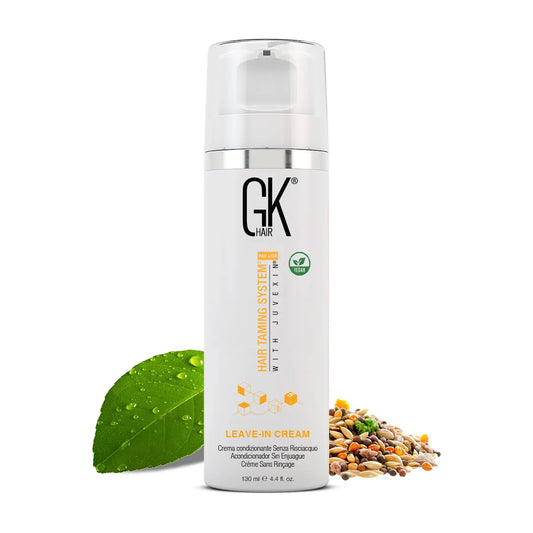
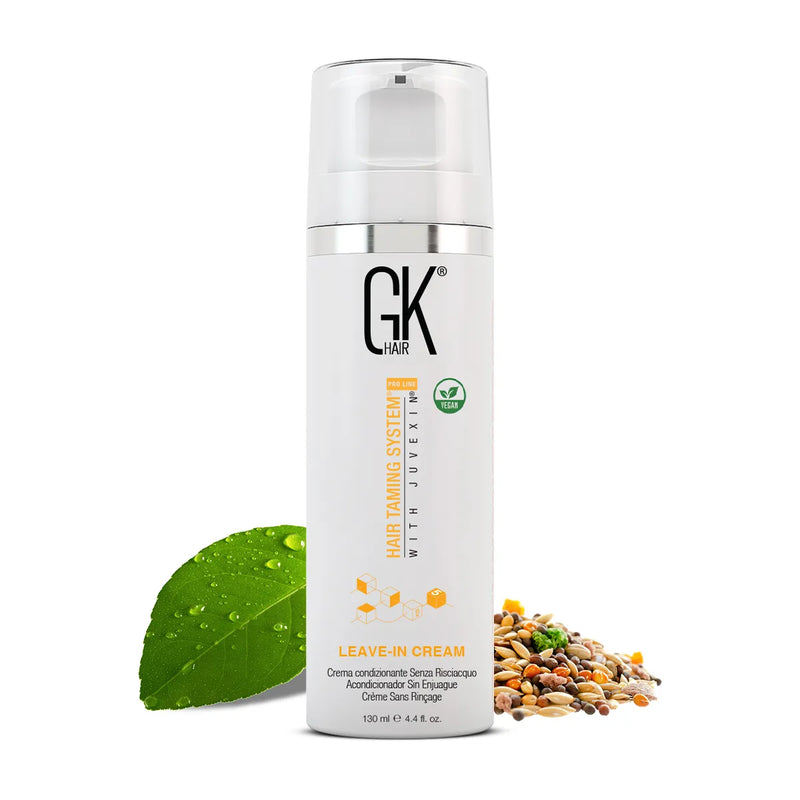
Leave-In Conditioner: Adds an extra layer of moisture and protection that stays in after products wash away.
Best for: Heat styling days, humid climates, or hair that tends to dry out fast. -
Deep Conditioner: A weekly treatment designed to restore moisture and help repair visibly damaged strands.
Best for: Color-treated or chemically processed hair that needs a deeper reset once a week.

Wrap Up
At the end of the day, what causes hair breakage almost always comes down to a few stacked habits rather than one big mistake, which is honestly good news. Heat, tension, dryness, and harsh products all add up quietly, but once you know what to watch out for, the fixes are pretty manageable. We’ve been formulating haircare for salons in more than 75 countries, so this isn’t guesswork, it’s what we see work in real routines, over and over. For more tips and product recommendations, explore our collection, and take it one small habit at a time.
Frequently Asked Questions
What causes hair breakage?
Hair breakage usually comes from a mix of heat styling, chemical treatments, tight hairstyles, dryness, and harsh products all wearing strands down over time, though stress and conditions like thyroid issues can play a role too. It rarely comes from just one habit. Once the cuticle (hair’s outer protective layer) is worn down, the inner structure is exposed, and snapping becomes more likely.
What is the best treatment for hair breakage?
The best treatment for hair breakage usually combines consistent moisture (a good conditioner and leave-in), regular trims to stop split ends from traveling up the shaft, and cutting back on heat and chemical processing where you reasonably can.
Can hair breakage be reversed?
Already-broken hair can’t repair itself, since hair isn’t living tissue once it leaves the scalp. But you can absolutely stop the cycle and grow in stronger hair with the right routine, which is usually what people mean when they ask this question.
Can stress actually cause hair breakage?
Yes, but it’s often delayed. Severe or ongoing stress can push hair into a resting phase early, so you might notice more breakage or shedding two to three months after a hard stretch rather than during it. It usually improves once stress levels come back down.